Documents Shed Light On Investigation Into Attica Riot
When a Staten Island grand jury declined to indict a police officer for the death of Eric Garner last year, it started a debate about grand jury secrecy that is still ongoing.
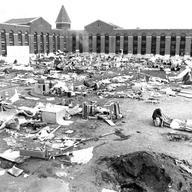
But the problem pre-dates the Garner decision. Forty-four years ago, in the deadliest prison riot in U.S. history, state troopers at the Attica prison in upstate New York killed 39 inmates and hostages as they quashed the uprising.
The evidence showed that all 39 died from police bullets. The state attorney general appointed Malcolm Bell as a special prosecutor. Eighteen months later, Bell resigned, charging a cover-up. There was another investigation, but it found no cover-up. And because that report contained grand-jury information, it was never made public.
That is until last week, when New York Attorney General Eric Schneiderman won a court's permission to release a small portion — 46 pages out of more than 400.
Bell now lives in Vermont. He told WNYC that the new documents reveal information he never knew about
“Specific instances of the brutality that state troopers and prison guards inflicted on inmates after they surrendered," Bell said. "There are incidents of that conduct and the names of witnesses to that conduct that were never provided to my investigation.”
Bell wanted to charge several state troopers with murder, but that never happened. One trooper was charged with reckless endangerment, but he and 60 inmates were pardoned by then-Governor Hugh Carey.
Bell wants more of the documents released and said grand jury secrecy should no longer be the reason to keep the investigation under wraps, since the case is more than 40 years old. And he says while grand jury secrecy is a key part of the criminal justice system, there are some problems.
“If a prosecutor is bent on not having a person indicted," he said, "the evidence that the jury needs just isn’t presented. That was happening in my case, and I suspect it’s happening in many cases.”

WNYC is funded by sponsors and member donations