After the Crash, Banks Paid Billions. Where’d it All Go?
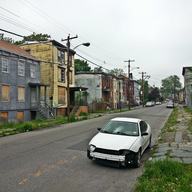
Newburgh, a run-down city on the Hudson River, has become a laboratory for a block-by-block method of rehabbing abandoned buildings. The tool the city is using is a land bank, a special-purpose government entity designed to deal with the consequences of blight, either by fixing or demolishing neglected structures.
State Attorney General Eric Schneiderman has already directed more than $12 million in funding to land banks in Newburgh, Buffalo, Rochester, Long Island, and other parts of the state with a high density of neglected buildings. The money comes from a 2012 nationwide settlement with financial institutions over abuses in the foreclosure process.
Lawmakers are taking note: Last week, the state legislature in Albany voted to double the number of land banks. And some New York City Council members want to bring them to the five boroughs, as a tool to create affordable housing.
In Newburgh, the land bank is focusing is on a grid of streets reaching north of Broadway, the city’s main drag. It’s mainly one and two family brick buildings, mostly built before 1939. A quarter of them are vacant. Madeleine Fletcher, the executive director of the Newburgh Community Land Bank, said almost all of these buildings can be repaired.
“What you find here actually is that you know masonry buildings were built to last a very very long time. So in spite of the neglect, you can save them,” Fletcher said.



WNYC is funded by sponsors and member donations