Why We Remember Stonewall
The Stonewall Inn is a sacred place for many in the LGBTQ community. Fifty years ago, a raid and series of riots outside the New York City bar helped launch a civil rights movement.
Back in the 1960s, many bars in New York City were controlled by organized crime. Often they operated without proper paperwork, and corrupt police would collect monthly bribes to turn a blind eye.
Sometimes, police would arrest all the patrons in retaliation for not getting their "dues" on time. Gay and lesbian bars were easy targets because they had no legal protection. City laws made gay bars illegal, and wealthy patrons were often extorted. The dingy, rundown bars were frequently raided. People didn't really stand up to the police.
That is, until one night ...
A fight started. Nearby bars emptied out as patrons heard the commotion, and more people joined in the fight. Others fled for safety. Soon the crowd turned into a mob. Police sent in reinforcements and crushed the protests. But what began that night didn't end there.
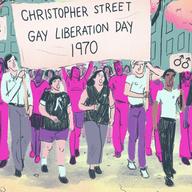
The following days saw more protests. The movement became a "coming out party" of sorts in the streets of Greenwich Village. One year later, organizers commemorated the event with the first "Pride" parade. Stonewall was not the first rebellion, by far, in the LGBTQ movement. But over the years, many civil rights activists began coordinating their efforts and celebrating that hot summer night as "the first."
And Stonewall did change the lives of many people around the world. Like Michael Levine, who was there that night and, as he told Story Corps in 2010, came out because of it.
There would be accomplishments, and setbacks, in the years to come. But many people who were there say that Stonewall marked the moment when they found their voice.
Written and illustrated by LA Johnson. Radio story by Jennifer Vanasco.


WNYC is funded by sponsors and member donations