Why Should You Read That Depressing News Story?
When President Obama criticized the press this week, he extended his criticism to the public too. "It's worth asking ourselves what each of us as politicians and journalists-- but most of all as citizens-- may have done to contribute to this atmosphere in our politics."
Martin Belam, an editor for the Guardian, recently examined how ordinary citizens and news consumers shape coverage in a post this week for the website Medium titled, “The difficulty of getting people to read about Lahore.”
He was dismayed by the fact that even though the Guardian led its website with with several stories about this week’s horrific bombing in Lahore, Pakistan-- leaving nearly at least 75 dead, many of them children-- and hundreds injured, none of those stories were clicked on enough to make it into the site’s top five.
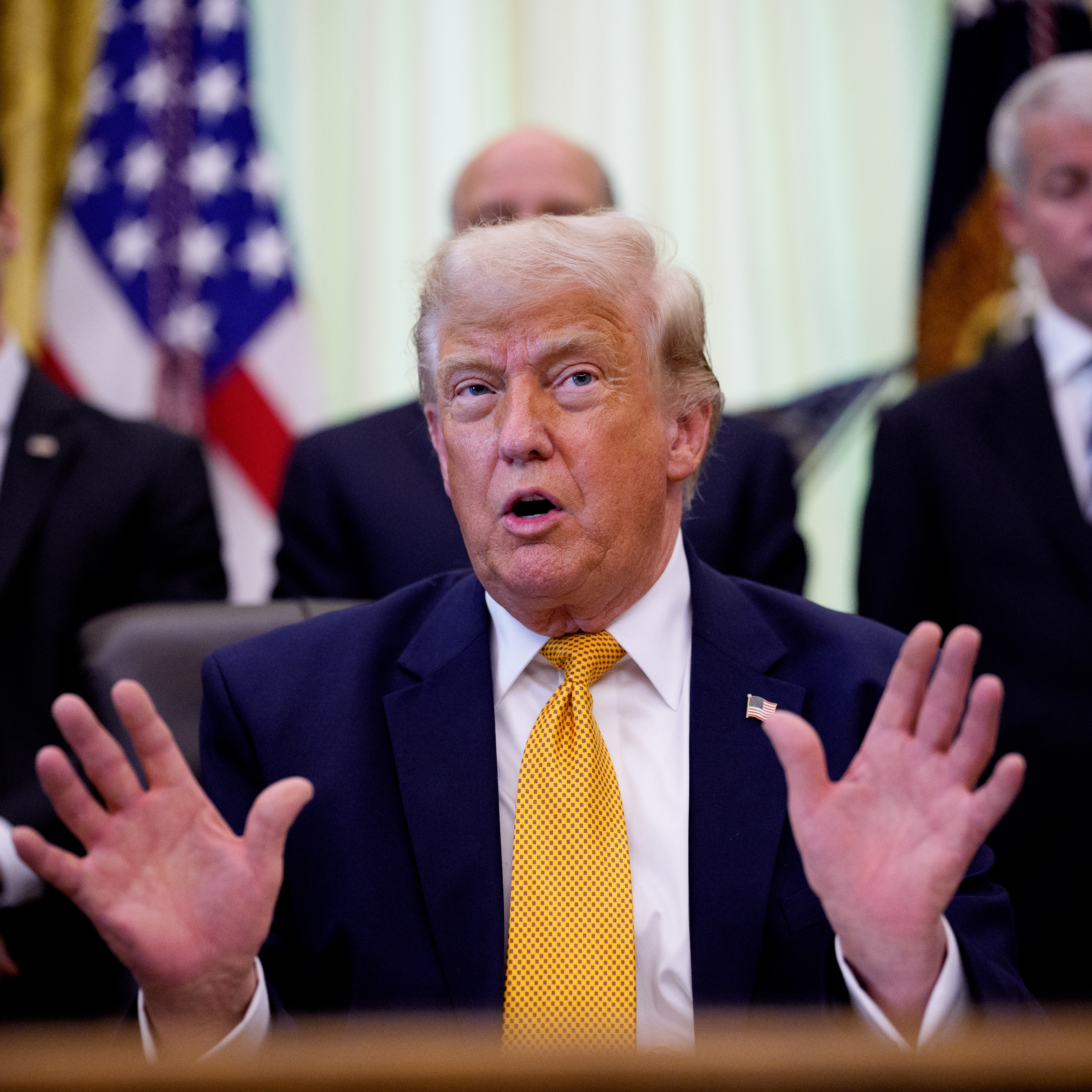
Similarly, recently analysis from Nate Silver of 538 found that even when journalists have recently attempted to cover a subject like Donald Trump, in an in-depth, issues-driven way, these stories simply haven’t gain traction.
Do we as news consumers have an ethical obligation to seek out substantive coverage in favor for frivolous stories? Why? And what difference does it make if we do? Brooke speaks to Peter Singer, a professor of Bioethics at Princeton University, and author of One World: The Ethics of Globalization about whether we have a moral responsibility to read certain kinds of news stories.
Song:
"Transparence" by Charlie Haden