Ornette Coleman's The Shape of Jazz to Come
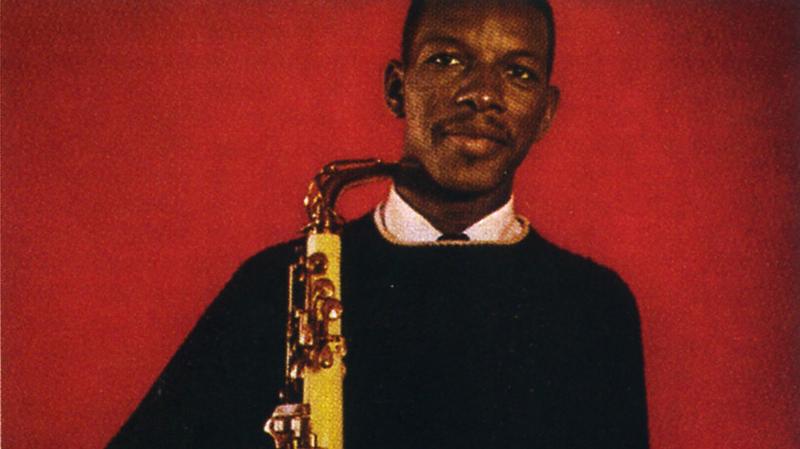
In 2013, the Library of Congress placed 25 new works into its National Recording Registry, a collection of historic music, speeches, and other audio documents that the Library will preserve for all time. One of those works was a 1959 record with the bold title The Shape of Jazz to Come. It was saxophonist Ornette Coleman’s third album — he wasn’t yet 30 years old — but it lived up to its promise.
Coleman was one of the architects of free jazz, a form that broke from conventions of soloing over chords (known to musicians as “playing the changes”) that had carried from Dixieland into bebop. With Coleman’s strong melodic sense, the collective improvisation doesn’t feel chaotic. “When you’re improvising, listening to the other players, that’s occurring on such a deep level that it’s almost impossible to describe,” says Sonny Rollins, one of the great sax players of the era. On The Shape of Jazz to Come, with Don Cherry on cornet, Charlie Haden on bass, and Billy Higgins on drums, Coleman set a high bar for spontaneous invention.
For many fans, though, free jazz — Coleman’s music, Eric Dolphy’s, Albert Ayler’s — was a rupture in the tradition that bordered on heresy. “It may be hard to imagine today, but back then it was a much different society,” says Denardo Coleman, the son of and sometimes the drummer for Ornette. “When you talk about going against the grain or going against the wave, you were going against a tidal wave.”
This story was produced by Ben Manilla and Devon Strolovitch for BMP audio.