A City Legacy of Bird Watching
Walking the concrete sidewalks of New York City, you might not spend much time considering the wildlife that shares the five boroughs with you. New York has a diverse bird population, both resident and migratory. In this episode of New York: A Portrait in Sound, you will hear from bird watchers, ornithologists and biologists on New York’s birds and their haunts. Discover the passion and dedication of these 1960s New York City birders.
It is easy to forget that grassy hills, meadows and marshes once dominated the land that is now an urban mecca. But despite all of the asphalt, concrete, steel and glass that compose the New York of today, pockets of veritable nature still exist in the city. Roland Clement, then staff biologist at New York's Audubon Society, later to become vice president of the organization, reminds us in this episode that a good diversity of plant life will support and attract a variety of bird life, and there are still a good many natural areas for birds to inhabit in New York.
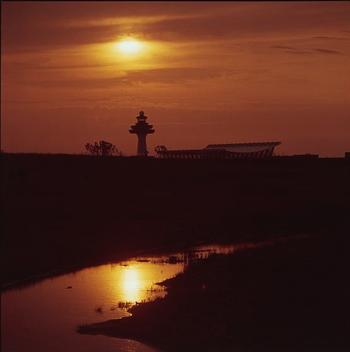
The salt marsh of Jamaica Bay is considered a birder’s paradise. Wetlands like those at Jamaica Bay, once perceived as coastal wastelands, have since been recognized as vital and vibrant ecosystems threatened by urban development. The Jamaica Bay Wildlife Refuge, located adjacent to JFK Airport, plays host to over 300 bird species, including the Peregrine Falcon, Snow Goose and Great Egret. At the time this episode was recorded, the airport had been operating for almost 15 years already, but the noise of the engines and toxic runoff from planes were just a couple of the many trials Jamaica Bay has suffered since the turn of the 19th century.
Even in Central Park, bird watchers can spot a great variety. In the raw interview tape for this episode, Clement discusses the Audubon Society’s Christmas Bird Count - an annual event where volunteers record and count birds observed in their area and report to the Audubon Society. The Count was first done in 1900 as an early conservationist effort and Central Park was one of 25 locations that participated. This year, 57 species were spotted in Central Park in the kickoff event of New York City’s 115th annual Count.
Clement, who passed away just this past March, was a major player in wildlife conservation. During his tenure with the Audubon Society, he committed himself to banning the use of the pesticide DDT, which thins eggshells, threatening exposed bird populations. Below, you can listen to three clips from the raw interview with Clement: one regarding the Empire State Building and the 1963 World’s Fair beacons; the second responding to a question about the birding community’s “lunatic fringe”; lastly, a comment on the importance of Jamaica Bay.
The Lights of the City and Migrating Birds
The Extreme Lengths to Which a Birder Will Go
The Future of Jamaica Bay

WNYC is funded by sponsors and member donations