New Data: White and Asian Children Far Outpace City Population in Gifted Programs
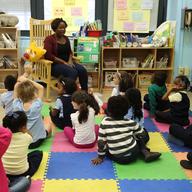
Just one-third of New York city public school students in Kindergarten through eighth-grade are white or Asian, yet those students fill almost three-quarters of the nearly 16,000 spots in the city's gifted and talented programs. That was among the demographic data the city's Department of Education released today.
The city was required to report the demographics of individual schools, as well as of their gifted and talented and dual language programs, by December 31 in accord with a law that was passed last spring.
The data also showed that only 43 percent of the children in the gifted and talented program were eligible for free lunch, a common indicator of poverty, compared to 81 percent of New York City school children overall.
Brooklyn City Councilman Brad Lander, who co-sponsored the legislation, said he was disappointed that the Department of Education didn't also lay out a formal policy for achieving greater diversity in the public schools.
"There is no such policy," he said. "And this report doesn't substitute for such policy. It doesn't articulate a vision, and go through how we are going to get there."
The city did spell out steps it has taken in the past year. These include a pilot program to allow seven schools to set aside seats for incoming pupils based on socioeconomic status and language. The department also said 24 middle schools that maintain their own admissions processes will have to admit students with disabilities in proportion to their district average for Fall 2016.
Lander said he was pleasantly surprised to see the city is doing away with academic screening in the middle schools of districts 7 in the Bronx and 16 and 22 in Brooklyn. "That might have the impact of promoting academic diversity," he said.
Department of Education spokesman Harry Hartfield released the following statement on the city's diversity goals:
"Students learn from interacting and collaborating with classmates of diverse backgrounds, and this legislation is an important part of the administration’s effort to increase diversity at school across the City. We recently announced admissions changes at seven pilot schools designed to promote diversity, but we know there is still more work to be done. There’s no single solution when it comes to school diversity across the City, and we will continue to engage with the City Council as well as educators, families and community members to foster more ideas on how to create diverse schools.”

WNYC is funded by sponsors and member donations