Balancing Patient Privacy and Gun Safety
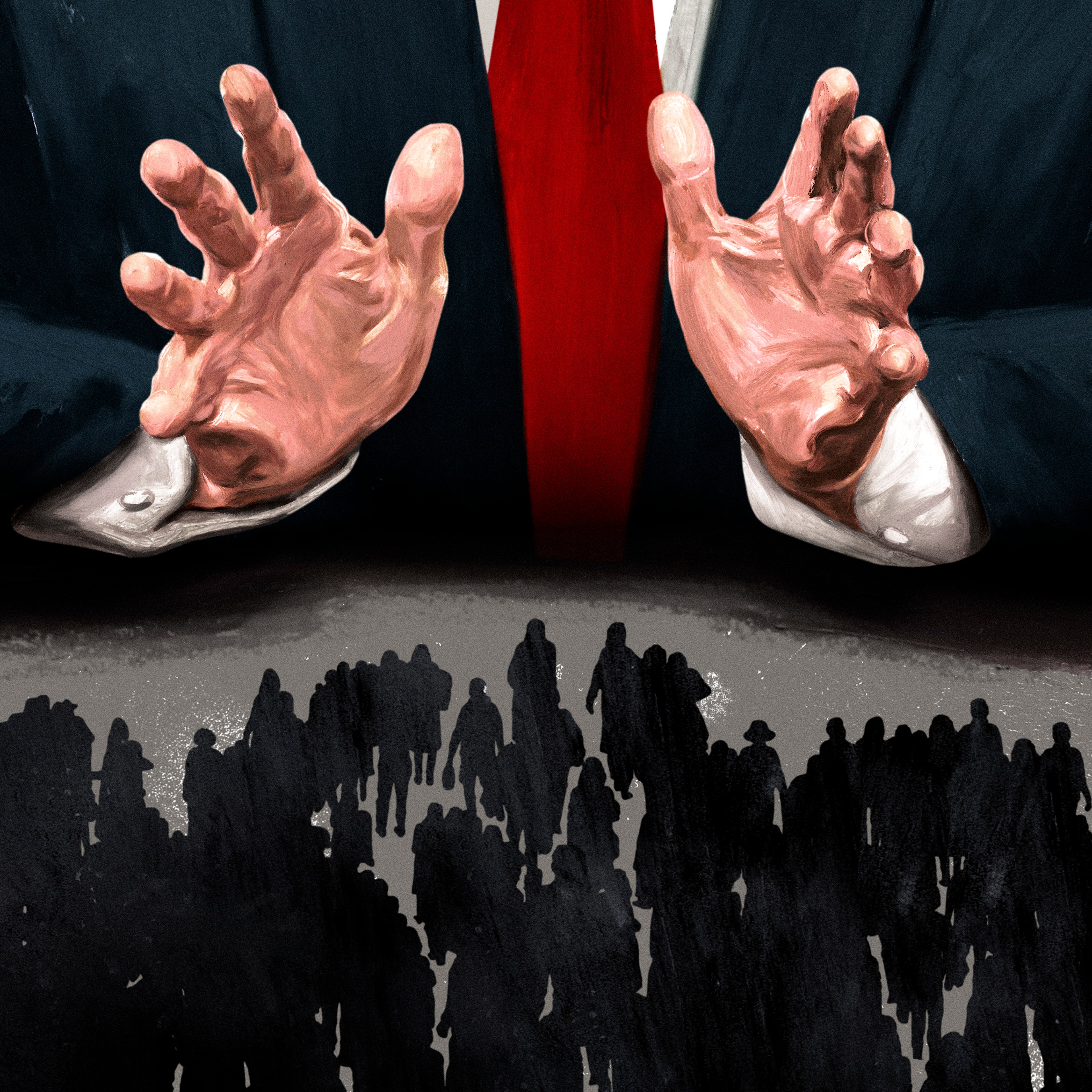
In yesterday's address to the nation, President Obama unveiled his plan to use executive action to reform gun legislation.
Part of his three-fold plan involves allowing parties who perform background checks to have increased access to mental health records.
For those who rush to mental health as a way of avoiding action on guns, "here's your chance to put your money where your mouth is." -@POTUS
— Brian Lehrer Show (@BrianLehrer) January 5, 2016
"Patient privacy is not as secure as we think," says Charles Ornstein, senior reporter at ProPublica covering health care and the pharmaceutical industry. He says most people put too much faith that their medical records are private, but there are lots of avenues in which they are shared, which makes President Obama's suggestion sound less extreme. Ornstein says he doesn't see this as requiring mental health records themselves; rather, he thinks the records will be used to identify a list of people who could be a danger to themselves or others.
Deborah Peel, a practicing psychoanalyst and founder and chair of the advocacy group Patient Privacy Rights, discusses other implications that could arise from a recent study that found that more than 90% of people who survived a prescription opioid overdose were able to obtain another prescription for the very drugs that nearly killed them.
One caller (Sam) pointed out a paradox in President Obama’s assertion that destigmatizing mental illness will help normalize increased access to mental health records: he says the very fact that we bring up mental health hand-in-hand with mass shootings continues to stigmatize it.