Anisfield-Wolf Book Awards
A discussion with the 1962 Anisfield-Wolf Award winners. The Anisfield-Wolf awards are given to books that contribute to the understanding of racism. The authors and their books are John Howard Griffin - Black Like Me; Gina Allen - Forbidden man; Dwight Lowell Dumond - Anti-Slavery.
The host announces past winners.
He mentions this year's three winning books, which all seem like "suspense" stories in their own way. There is a heavy excitement in the air in all three books according to the host. Each author discusses his/her work in turn in this respect.
Allen's book, set in a southwestern US town, includes disputes between "Anglos," African-Americans, and the "Spanish descent" population. She talks about the dangers of racism to any community - it is the theme of her book. Allen talks about the events that informed her work.
Dumond's book, a work of history on the anti-slavery movement, focuses on whether there are pronounced genetic differences between races and how slavery was thought to be a benevolent institution.
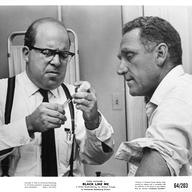
Griffin's book recounts his time spent altering his pigmentation to appear black, in hopes of understanding how African Americans were being treated in the South and the "enormous folly" of racism. He talks about suddenly becoming a part of a community and the forced concentration required to meet basic human needs in the south. He interrupts a question meant for Dumond to talk about the heart-breaking revelation of young children's spirits gradually being broken by racism as they age. Dumond responds that slave owners assumed a natural depravity from an enforced subordination.
Allen is asked about the export of prejudice from the (Eastern Seaboard) South to the Southwest in her novel.
Dumond discusses the gradual drain of the South of it's more racially liberal members. They all moved North, driven out the South, making slavery a far worse institution than it would have been.
They discuss the "free Negro" in the times of slavery.
They talk about Griffin's ability to "pass." Most whites did not speak to blacks - there was a barrier to communication.
They discuss the "deliberate perversity" behind taxes paid by blacks being used to further their own oppression in certain Southern states.
They ask Allen about certain figures being reviled by all races, including one of the protagonists of her book. She talks about "the hate stare."
Audio courtesy of the NYC Municipal Archives WNYC Collection
WNYC archives id: 150268
Municipal archives id: LT9452