An artificial cell eats, grows, and reproduces. Is it alive?
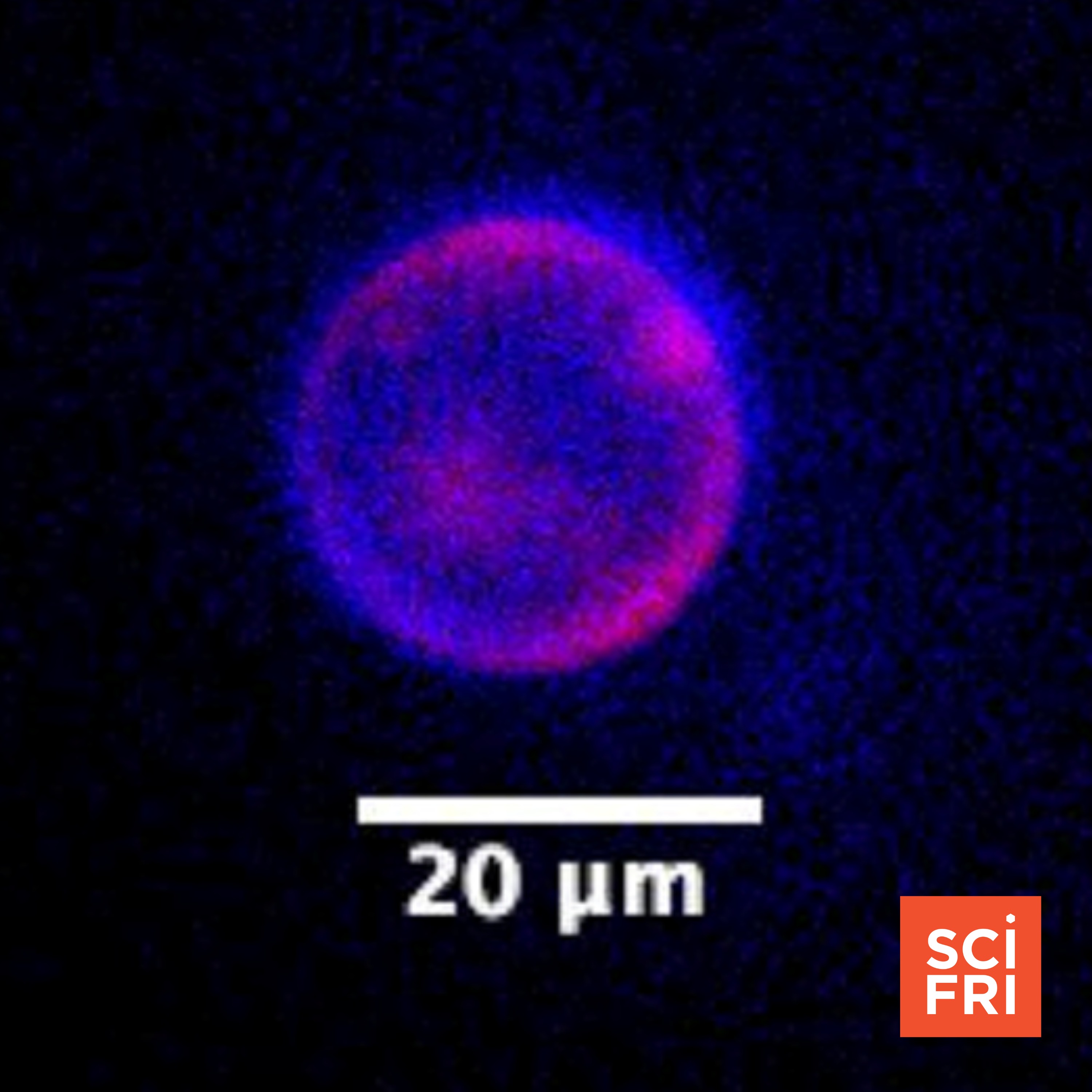
Researchers have engineered an artificial cell out of chemicals and biomolecules that, at a basic level, can eat, grow, duplicate its own genetic code, and reproduce itself. The cell, dubbed SpudCell, is aimed at creating a chassis that can be adapted to create biological factories for the chemicals humans rely on for modern life, from fuels to pharmaceuticals. But it also raises the question of what it means for something to be “alive.”
Synthetic biologist Kate Adamala joins Host Ira Flatow to talk about the technological advance, the possibilities for the artificial cell, and a nonprofit organization she hopes will allow the SpudCell to spark an innovation in biotechnology.
Guest:
Dr. Kate Adamala is a synthetic biologist and an associate professor of genetics, cell biology, and development at the University of Minnesota.
Transcripts for each episode are available within 1-3 days at sciencefriday.com.