Uninsured and in Need of Healthcare
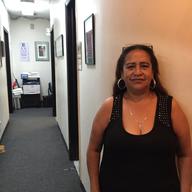
Ilma Perez is having dental trouble. Ten years ago in her home country of Colombia, she had a terrible motorcycle accident that put her in the ICU for 3 months. Doctors put metal plates in her face and skull and operated on her mouth to repair her teeth and jaw. A decade later, some of those fixes are failing: Recently, Perez lost two teeth and is afraid the pain will return.
Because Perez is an undocumented immigrant, she does not qualify for Medicaid or Obamacare. She also can’t afford to pay for private insurance. As a result, she’s been accessing health care in Sunset Park through the not-for-profit Academy of Medical and Public Health Services. AMPHS arranges free health screenings like HIV testing, mammograms, and dental exams. It also connects clients to clinicians. When Perez followed up about her teeth with dentists at New York University who she met through a free screening, they told her treatment would cost $3,800. But Perez can’t afford that; she works irregularly as a home cleaner and hasn’t been able to secure more steady work.
For the uninsured like Perez, health care options are very limited. Beyond free screenings and doctor’s visits offered through organizations like AMPHS, the public hospital system is one option. It charges patients on a sliding scale based on their income.
Another option for care is through Federally Qualified Health Centers (FQHC). They are similar to a regular primary care doctor and also charge patients on a sliding scale.
But if you need extensive treatment like dental surgery or chemotherapy, the options become even more limited.
“A lot of providers — specialists — are not willing to see a patient without insurance," said Dr. Amy Pandya, associate regional medical director at the Institute for Family Health, an FQHC.
When she works with someone who requires more care, she tries to find help by calling on her network of doctors to treat the patient, even though payment might never come. She sees it as her job to convince them to help those patients anyway.
"As providers, we’re just trying to get them tapped into a system where they will get the care they need,” she said. “They can try to work on the billing later on because you don’t want someone you know to go without chemo because they don’t have insurance.”

WNYC is funded by sponsors and member donations