As a debate rages in the United States over the value of the Confederate Flag and its cultural appropriation, one folklorist has spent decades of his life patching together a auditory quilt of stories, voices and sounds that tell a narrative of the south.
Ferris, who is white, grew up on a farm in rural Mississippi. Early in his life he witnessed segregation between black and white students at school. Ferris always had a hard time accepting the the status quo, but it was those early memories that inspired him to become a folklorist and "honor their memory, their voices, their music, and their history as a part of my own."
Ferris is also the senior associate director of the Center for the Study of the American South, and the former chairman of the National Endowment for the Humanities.
Over the last few decades, he has been on a mission to record a vast array of sounds that represent the south and tell a slice of its rich and deep history.
"One thing southerners have in common is they love to talk and they love to hear a good tale," Ferris tells John Hockenberry. "It is that narrative of voices that I have tried to follow—to listen to the story, no matter who they are."
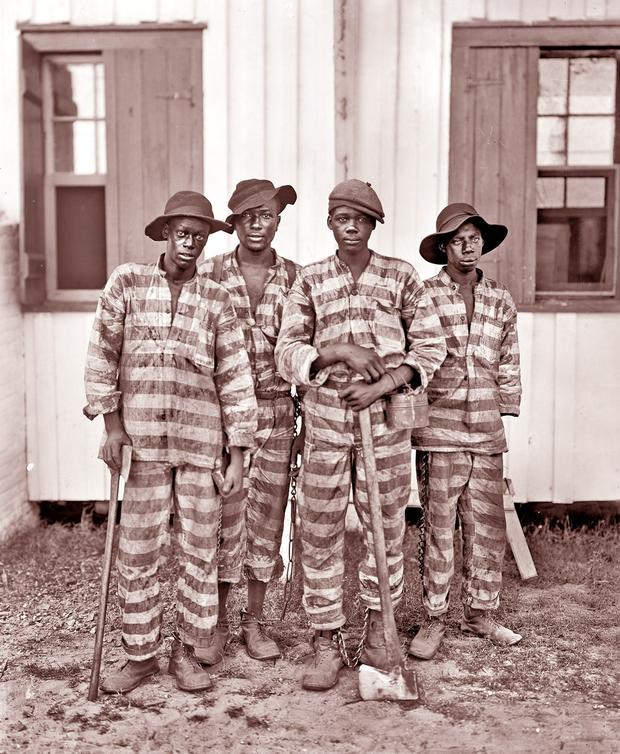
1905: A chain gang from the southern states of the USA . The chain gang comprised a group of prisoners chained together to perform menial or physically challenging work as a form of punishment. Such punishment might include repairing buildings, building roads, or clearing land. This system existed primarily in the southern parts of the United States, and by 1955 had been phased out nationwide, with Georgia the last state to abandon the practice.
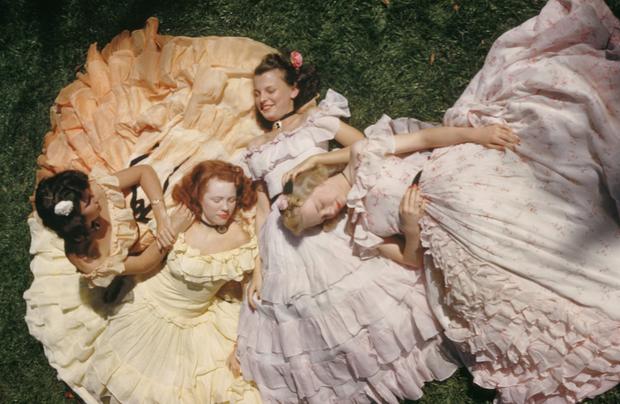
Southern Belles enjoy themselves during a recreation of pre Civil War life on a plantation circa 1935 in the deep south.
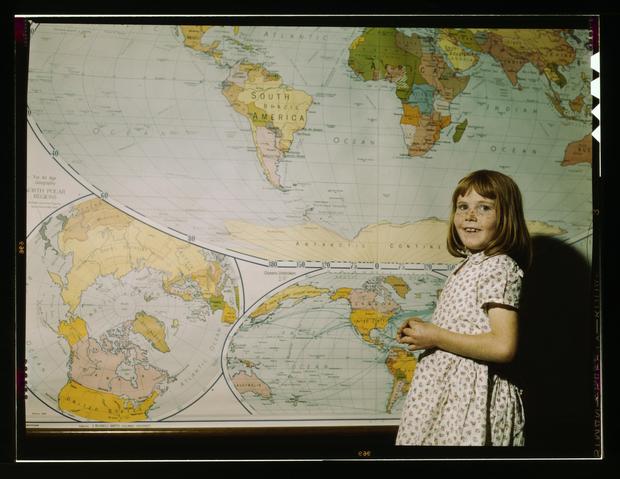
Rural school girl, San Augustine County, Texas, 1943.
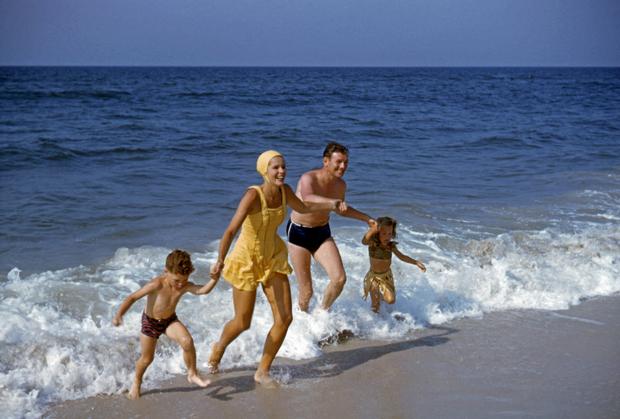
A mother and father with son and daughter running out of the ocean, Palm Beach, Florida, 1947.
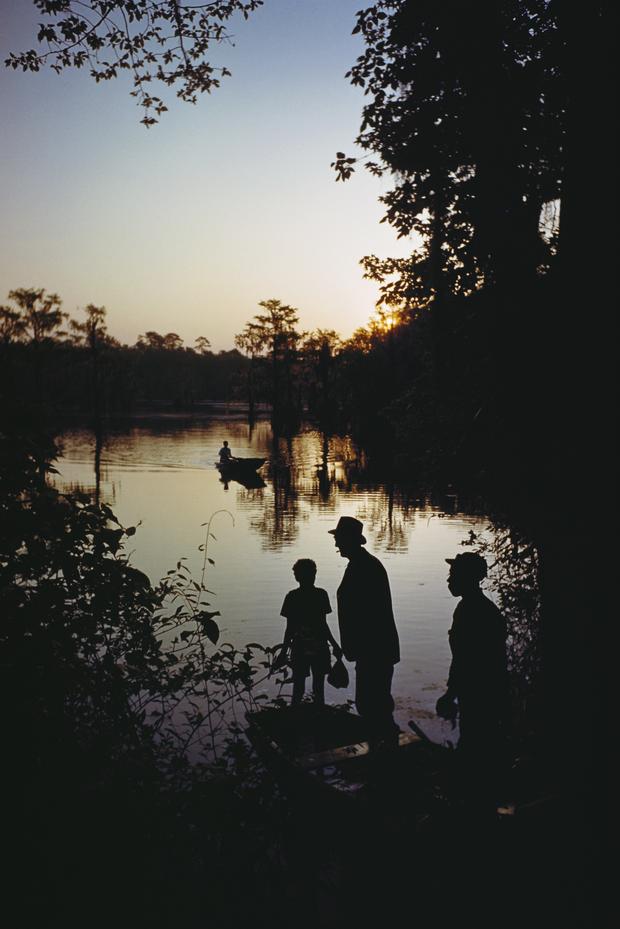
A father and sons are silhouetted against the sunset on a bayou in Louisiana, circa 1950.
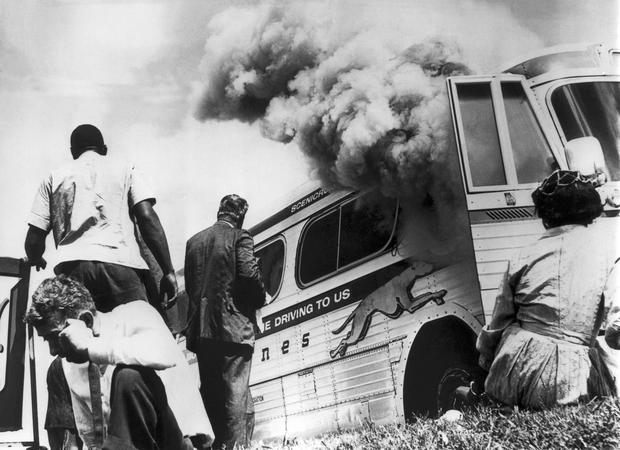
Freedom Riders on a Greyhound bus sponsored by the Congress Of Racial Equality (CORE), sit on the ground outside the bus after it was set afire by a group of whites who met the Negro and white group on arrival here, Anniston, Alabama, May 14, 1961.
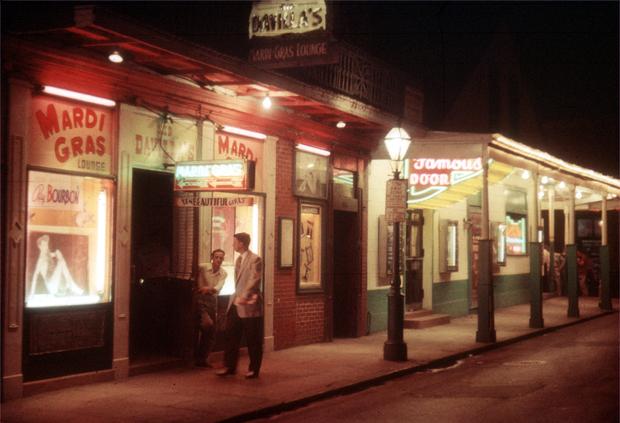
Exterior of 'The Mardi Gras Lounge' On Bourbon Street on May 16, 1957 in New Orleans, Louisiana.
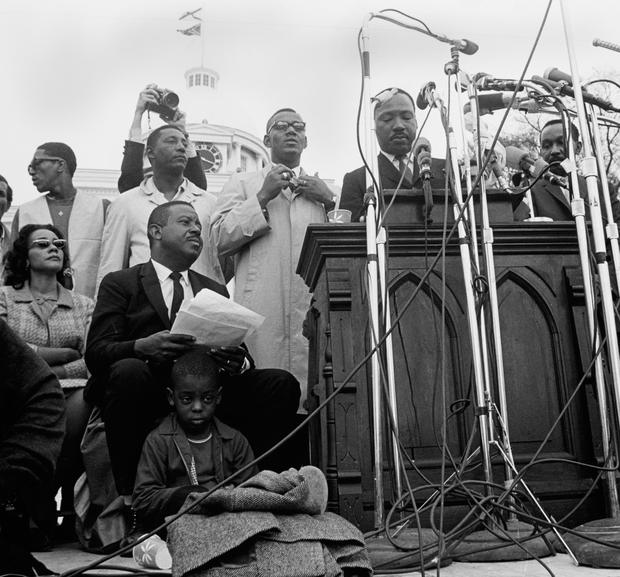
Dr. Martin Luther King, Jr. at the Alabama State Capitol, Montgomery at the conclusion of the Selma to Montgomery March, March 1965.
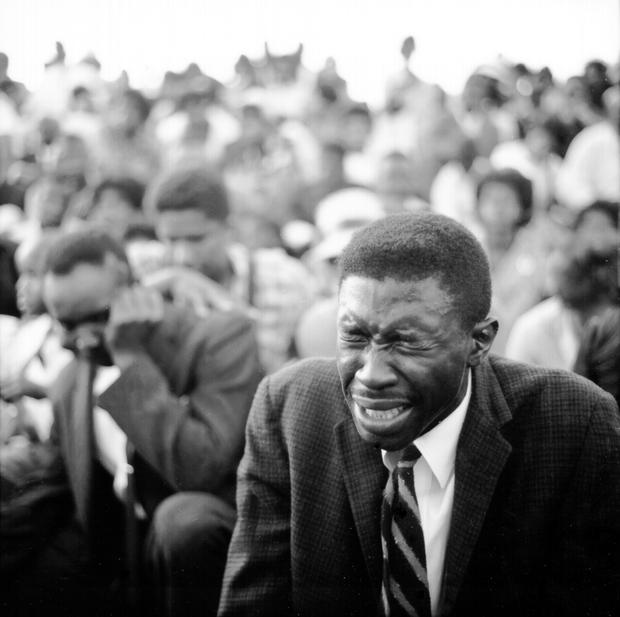
An African American man breaks down during a protest against segregation organized by Reverend Dr. Martin Luther King Jr. and Reverend Fred Shuttlesworth in May 1963 in Birmingham, Alabama.
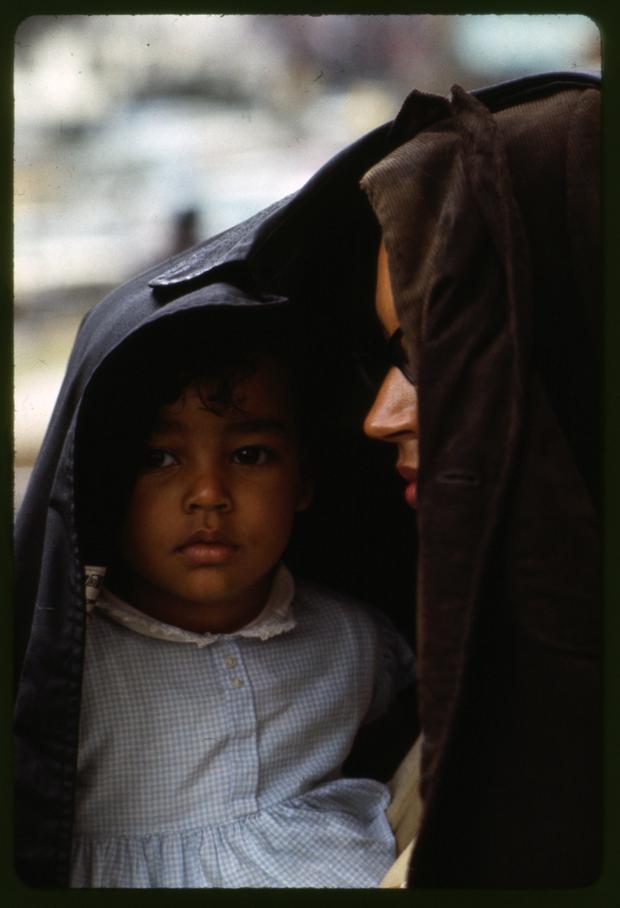
A woman holding a child during a civil rights demonstration, Alabama, March 1965.
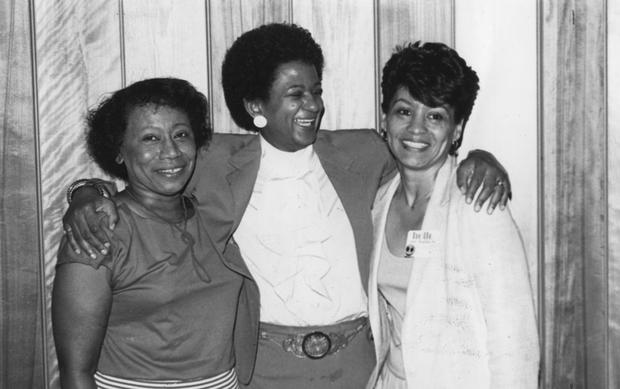
Elynor Williams, corporate affairs director for Hanes Group, chats with the chapter president for North Carolina and the national chairperson of child watch the Children's Defense fund at a meeting of the African American advocacy and professional group National Council of Negro Women (NCNW), Washington DC, 1970.
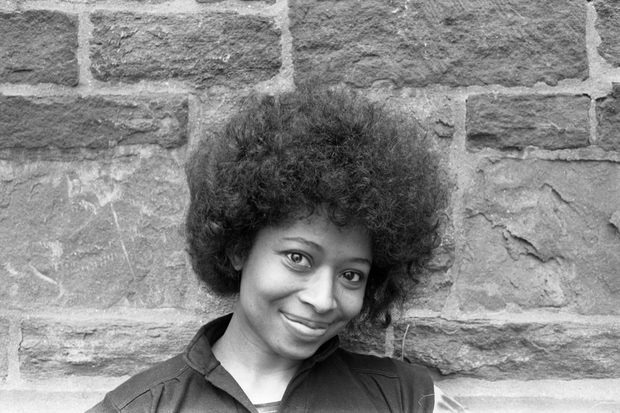
Alice Walker, American author and activist, 1977. She wrote the critically acclaimed novel The Color Purple for which she won the National Book Award and the Pulitzer Prize for Fiction.
(From THE STORIED SOUTH: VOICES OF WRITERS AND ARTISTS by William Ferris. Copyright © 2013 by William Ferris. )
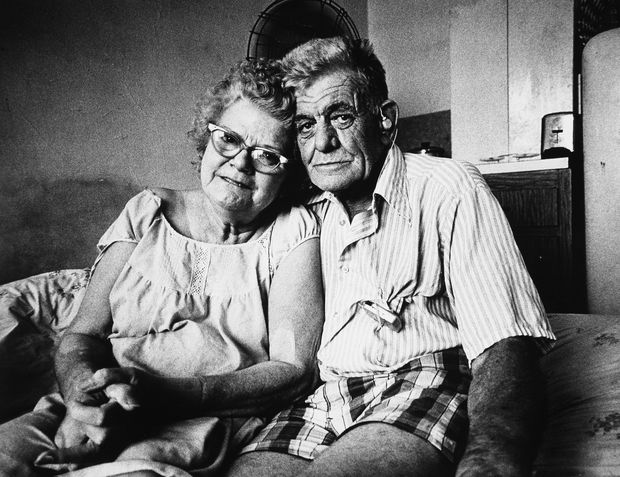
Florida, 1977: A couple of senior citizens.
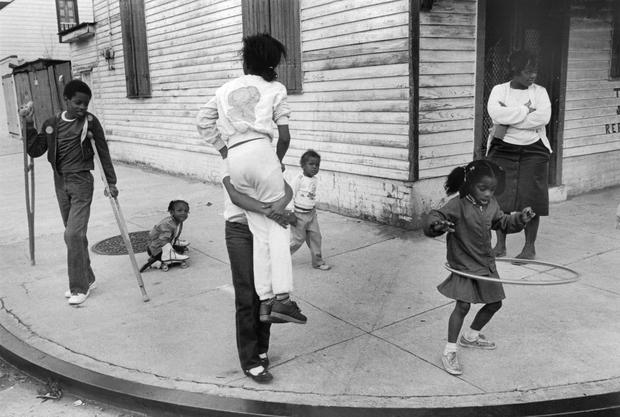
A street corner scene in New Orleans, Lousiana, United States in 1983.
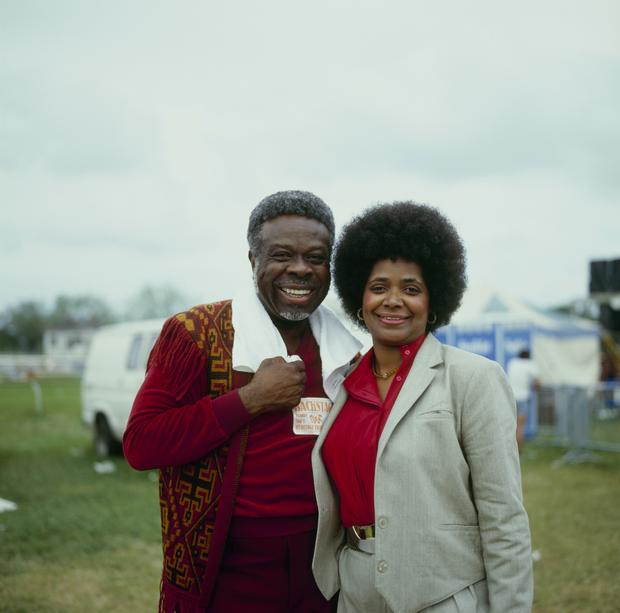
Singer Rufus Thomas backstage with daughter Carla at the New Orleans Jazz and Heritage Festival in New Orleans, Louisiana on May 01, 1983.
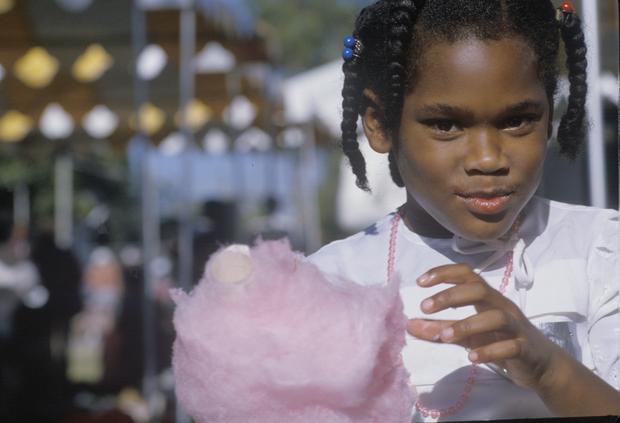
1985: An African-American girl eating cotton candy, Natchez, Mississippi.
Alina Fernandez Revuelta (L), daughter of Cuban leader Fidel Castro, and her daughter Alina-Maria Salgado-Fernandez (R) toast the New Year with champagne, after being reunited in the United States after Alina-Maria left Havana early 31 December 1993 for Miami. Alina Fernandez Revuelta defected from Cuba last week.
ATLANTA, UNITED STATES: Kids play in a fountain at the Centennial Olympic Park, which opened its doors July 13, 1996. The 21-acre park is expected to attract 200,000 visitors a day during the Olympics
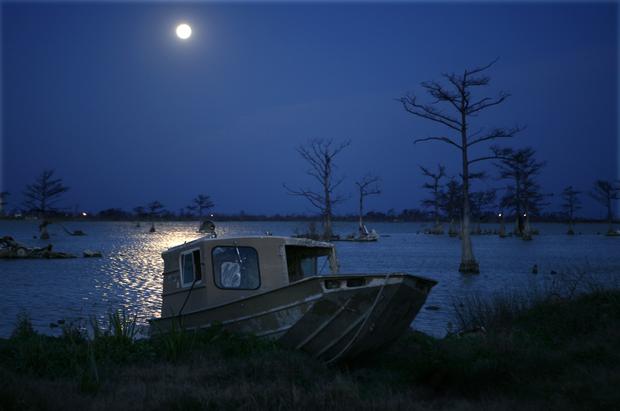
March 2007: Moon sets at dawn in the backwater swamp of the Venice Marina in Southern Louisiana where trashed fishing boats and debris still litter the waterways, 18 months after Hurricane Katrina.
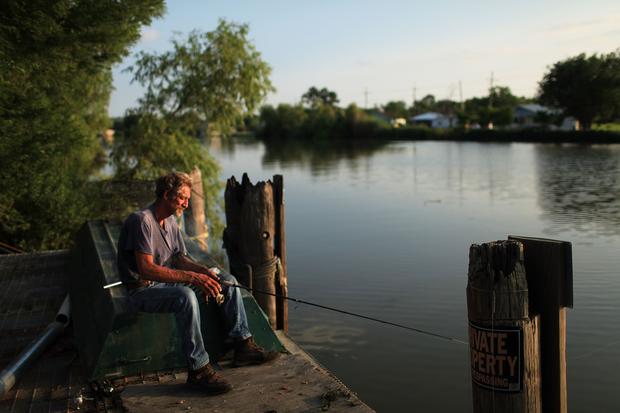
Phillip Boudreaux fishes for catfish along a bayou June 13, 2010 in Lafourche, Louisiana. Commercial fishing, including areas in Lafourche, has been banned in much of the Gulf of Mexico after the BP oil spill. The spill has been called the largest environmental disaster in American history. U.S. government scientists have estimated that the flow rate of oil gushing out of a ruptured Gulf of Mexico oil well may be as high 40,000 barrels per day.