
With Health Care Vote Delayed, Take This Moment to Catch Up
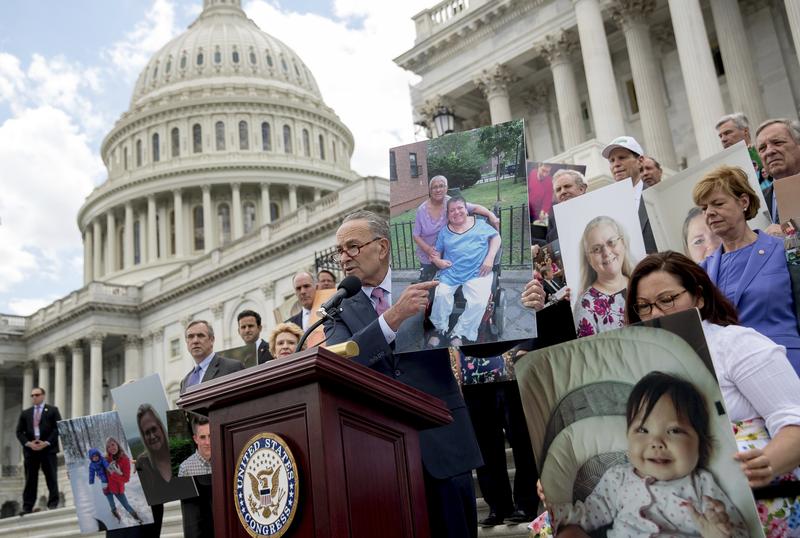
With the U.S. Senate tabling its version of the health care bill until after the July 4 recess, WNYC's Mary Harris said it's likely to be a long hot summer of health care talk. She advised we all take a moment to understand what is at stake and who would be most affected by the changes proposed by Republican leaders in Washington.
First, her list of top issues for New York metro area residents to watch:
Medicaid Cuts: For states like New York and New Jersey, cutting federal Medicaid dollars is a big deal. New York is second only to California in terms of how much it spends on this health care program. Almost one third of New Yorkers will end up using Medicaid for services like nursing home care, disability services, and intensive care for premature infants, among other things. Experts estimate cuts in the original Senate bill would leave New York on the hook for between $4 billion and $8 billion. Local politicians would have to either reduce services or find more money to foot the bill. Gov. Andrew Cuomo is already talking about putting a new property tax in place to keep Medicaid going.
How Employer-Sponsored Health Care May Change. Initial legislation allowed states to opt out of some requirements of the Affordable Care Act, specifically requirements to cover services like maternity care or mammograms. It's possible the benefits offered by your job's health care plan would change. Even if your state maintained those provisions, Medicaid cuts could make employer plans more expensive. Hospitals rely on government dollars to stay solvent so if Medicaid reimbursements go down then hospitals could make up the difference by charging even more.
Coverage for Some Immigrants. New York is one of just two states that created what's called an "Essential Plan." At $20 a month, the plan covers nearly 700,000 New Yorkers, many of them immigrants. That's important, because New York State is mandated to provide coverage for nearly all low-income immigrants despite the fact that federal law bars using Medicaid funding for this population. In initial versions of the Senate bill, federal funding for this looks tenuous at best.
Jobs, jobs, jobs. Health-care jobs have been nearly "recession proof" in New York and New Jersey. Big changes to the health-care landscape could upend that. In June, the Commonwealth Fund released a report that said the House version of healthcare reform would hit the New York job market especially hard, resulting in a loss of 86,000 jobs. In New Jersey, about 42,000 jobs could be lost.
Use this chart to understand key differences between the Senate Health Care Bill and the Affordable Care Act. Source: NPR News.
Loading...

WNYC is funded by sponsors and member donations