How a Mother's Struggle Led to Early Detection for Down Syndrome
Click on the 'Listen' button above to hear this segment.
The emergence of non-evasive prenatal testing for all types of fetal abnormalities has transformed early pregnancy care for women. Early screenings can now be done in the first or second trimester — a simple blood draw can detect if the fetus is a boy or a girl, or if there is risk for birth defects, such as Down syndrome, spina bifida, and other abnormalities.
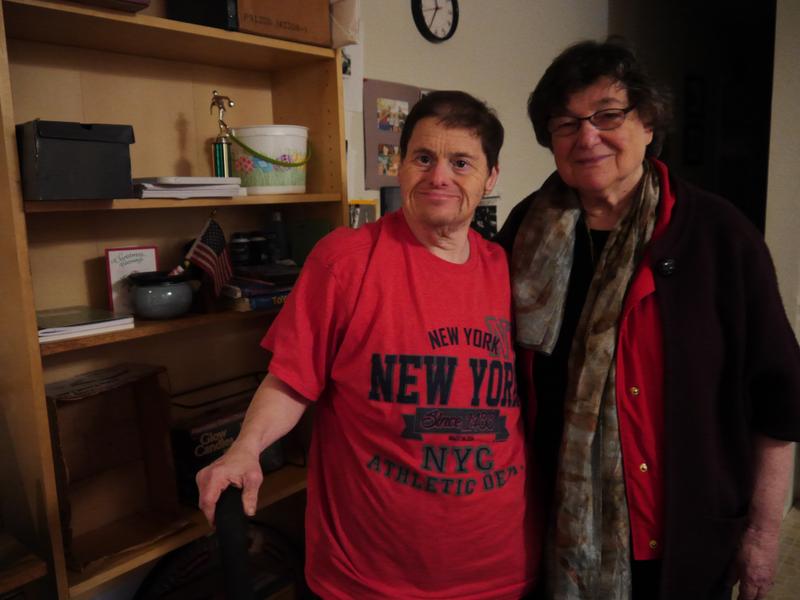
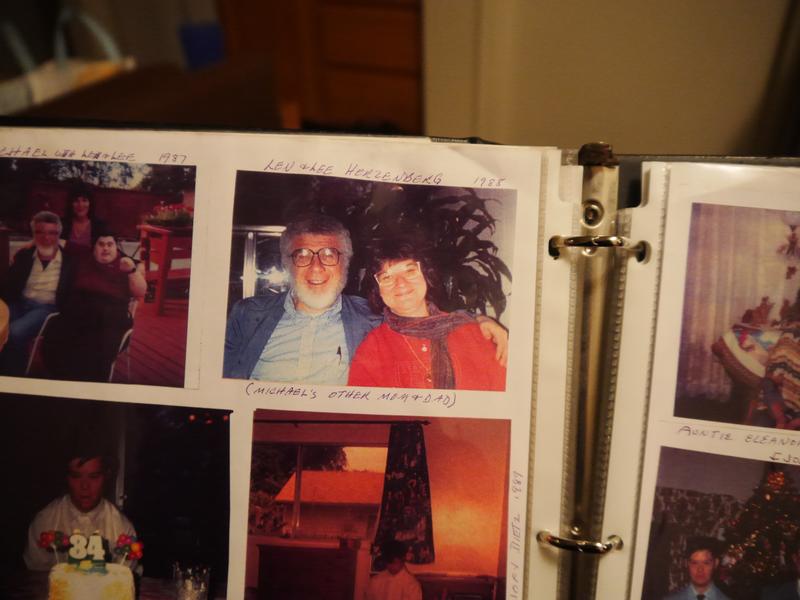
These tests have become popular and controversial. But Lee Herzenberg and her husband, Leonard, didn't have the option back in 1961 when they grappled with an unexpected diagnosis after the birth of their son, Michael.
Michael was born with Down syndrome, an abnormality that doctors knew little about. Doctors said that they should put their baby in an institution. They placed him with a woman instead who raised him.
At the time, Lee dreamed of a test that could determine if a woman was at risk for having a child with Down syndrome. She and her husband, both genetic scientists, pioneered a device that would lead to the modern screening techniques we use today.
Mary Harris is host and managing editor of WNYC's health podcast, "Only Human." She explains that these tests are now raising controversial ethical decisions for parents faced in life or death situations.