NYPD Overhauls 'Use Of Force'
The NYPD has no idea how often its officers use force, what kind of force they’re using or even what the definition of “force” is. But that’s changing.
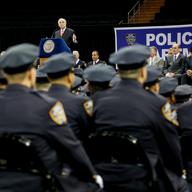
Commissioner William Bratton unveiled sweeping changes to the department's use of force policies Thursday — the same day the NYPD’s Inspector General released a critical report on the same topic.
“Where we are going is where American policing is going to be going,” Bratton said, surrounded by top brass at police headquarters.
Under the new policies, officers will be required to document every use of force in newly created categories for the level of force and severity of injuries to civilians. They will also record any force used against officers.
Bratton says the department will investigate every incident and there will be an annual report to the public. The department is also creating a ‘duty to intervene,’ meaning officers who fail to take action when they see a fellow officer using excessive force will face disciplinary action.
The NYPD made its announcement the same day Inspector General Philip Eure released a report criticizing the department for failing to track use of force, not giving officers enough training in de-escalation and not disciplining officers found to have used excessive force.
The IG said Bratton's announcement only addresses that first issue, so while it's a step in the right direction, more work needs to be done.
Bratton disputed those conclusions. He said officers have received training in de-escalation, and he criticized the data analysis as drawing too sweeping a conclusion on a small number of substantiated civilian complaints.
Bratton said the policy changes should reduce both officer use of force and civilians resisting arrest — making police and civilians safer.
The president of the Patrolmen’s Benevolent Association, Patrick Lynch, criticized both the new policies and the IG’s report.
“No amount of new training or additional paperwork will make necessary force that is lawful and properly used by police officers acceptable to those who want to return to the hands-off, reactive policing strategies that sent crime soaring in the past," Lynch said in a statement. "More paperwork coupled with a serious shortage of police officers and the continual second-guessing of their actions is a formula for disaster.”

WNYC is funded by sponsors and member donations