Metro-North Safety Features Differ by Direction
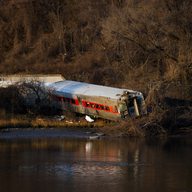
The Metro-North train that derailed Sunday, killing four people and injuring dozens, was equipped with an alarm designed to keep the train operator awake. But that alerter was located at the other end of the train, and engineer William Rockefeller was in the cab.
All northbound Metro-North trains are led by locomotives, which have alerters. It's an alarm that goes off if the engineer falls asleep. But on southbound routes - when the engineer is in the cab at the opposite end of the train, there's no alerter.
Instead, Metro-North cabs have a 'dead man's pedal,' which require constant pressure to keep the train moving.
The locomotive remains on the north end of the train, a Metro North spokeswoman says, to keep diesel fumes and engine noise away from Grand Central Terminal. In addition, trains can't turn around at that terminal.
"It's not that we made a conscious decision that only northbound trains deserve alerters," MTA spokesman Adam Lisberg said. "It's just that all northbound trains are led by locomotives, and locomotives have alerters."
Dr. Patrick Sherry is the co-director of the National Center for Intermodal Transportation at the University of Denver. He said a dead man's pedal is "not really meant as a fatigue detection device. It's a fail safe device," in case the engineer becomes physically incapacitated, say, by a heart attack.
"It's still useful," he said, "but it's not the most advanced."
Sherry said fatigue is a serious hazard in the transportation sector.
Union leaders have said the engineer operating the train w in a daze moments before it derailed.
The Federal Railroad Administration, which regulates commuter rail, doesn't require alerter technology on trains built before 2002, and it doesn't require earlier cars to be retrofitted.
The federal government has mandated that railroads adopt Positive Train Control -- an automated system that minimizes human error -- by 2015.
The MTA will report by December 6 to the Federal Railroad Administration what additional safety measures it intends to take.

WNYC is funded by sponsors and member donations