Long a Bastion of Free Speech, U.C. Berkeley’s Commitment Is Tested
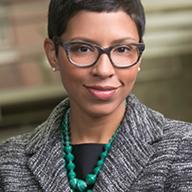
In the aftermath of the violence at the University of Virginia last month, colleges around the country are cautiously reviewing applications for rallies and lectures on their own campuses. Emotions are particularly high at the University of California, Berkeley, where a conservative student group has invited Ann Coulter, Steve Bannon, and the alt-right provocateur Milo Yiannopoulos to speak on campus later this month, in a sort of right-wing festival it’s calling “Free Speech Week.” The last time that Yiannopoulous was invited to the campus, violent protesters on the left smashed buildings and set fires, forcing the university to cancel the event. The city’s mayor, Jesse Arreguin, has called on the university to cancel the program in the interest of public safety: “I don’t want Berkeley being used as a punching bag,” he said. Melissa Murray is the Alexander F. and May T. Morrison Professor of Law at the university, and until July she was interim dean of the law school. She tells David Remnick how the university’s traditional commitment to free speech is sometimes at odds with a student culture in which opposing views may be felt as personal attacks. But she disputes the caricature of Berkeley as a place where leftist views are enforced as orthodoxy.

WNYC is funded by sponsors and member donations